Where Do You Need Corporate Security in the Bay Area?
HRS
Active Support
Around the clock protection
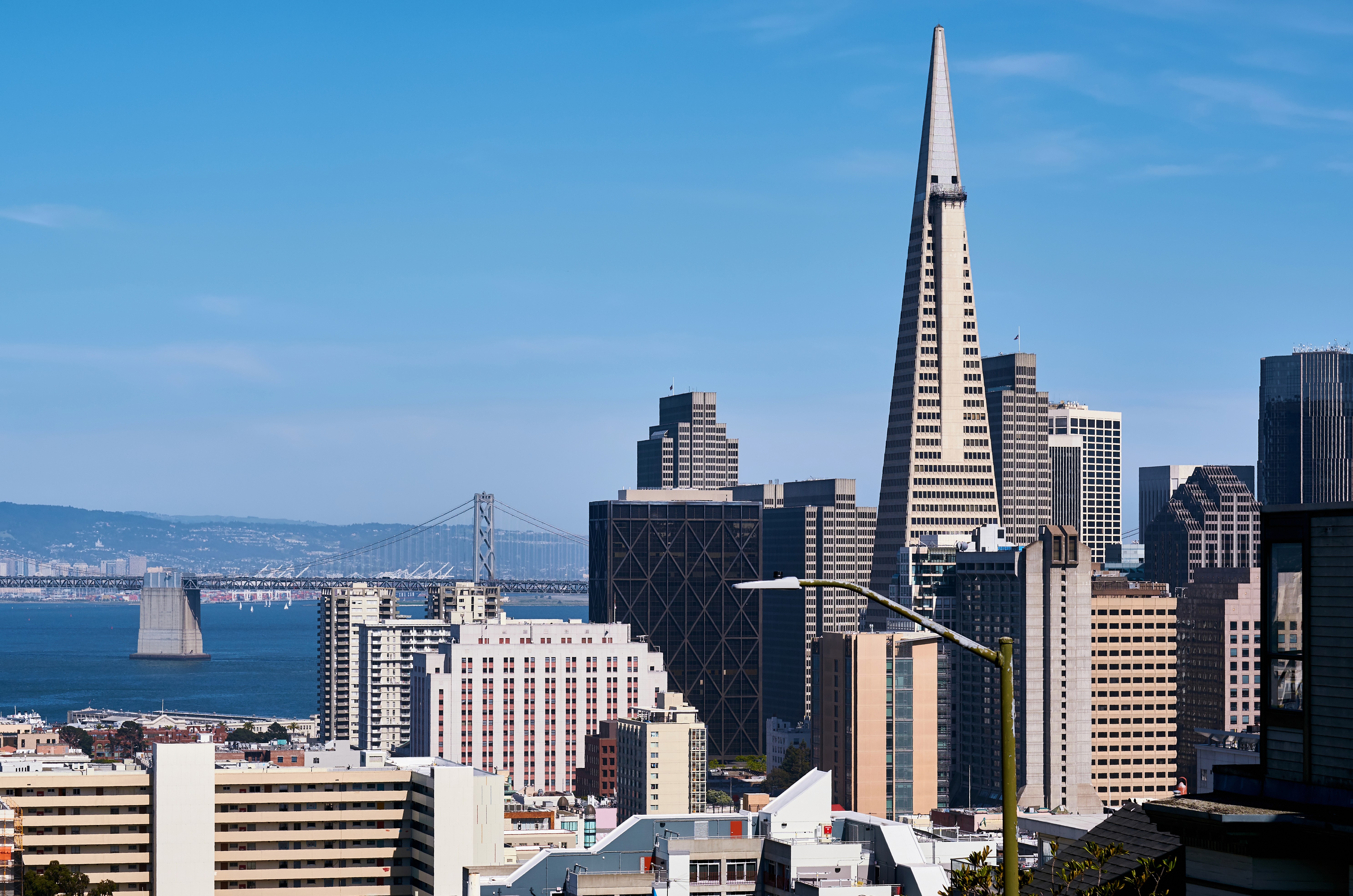
Security requirements in the Bay Area vary significantly based on the surroundings. A biotech facility in South San Francisco, a venture capital firm in Menlo Park, a tech campus in San Jose, or a private executive mansion in Marin all carry distinct risks compared to a corporate headquarters in downtown San Francisco.
The risk is dependent on location.
A strong corporate security program is not generic. It focuses on the areas where a company’s people, assets, leadership, and operations are most vulnerable.
Security for businesses is most needed in offices, headquarters, campuses, labs, executive residences, parking areas, event venues, and multi-location operations where risk can impact safety, continuity, or reputation.
The Simple Answer
You need business security wherever your company has the following:
Employees working on-site
Clients, vendors, or guests entering the area
Intellectual property, equipment, or sensitive data
Executives or founders who are visible to the public
High-traffic areas or offices facing the public
Numerous locations throughout the Bay Area
Meetings, travel, or events involving important personnel
A location's security should be assessed if people, property, or operations are physically exposed.
Corporate Offices and Headquarters
Corporate offices and headquarters are often environments that require the most security assistance. These places are always alive. Employees stroll the halls, visitors come in for meetings, vendors deliver goods, executives have sensitive discussions, and confidential information is handled on a regular basis.
Without a well-organized security presence, these spaces are prone to unauthorized entry, workplace incidents, theft, disruptions, and reputational risk. The problem is particularly acute in San Francisco, Oakland, San Jose, Palo Alto, and Walnut Creek, where many offices are located in dense commercial corridors, mixed-use developments, or busy urban environments.
In these situations, corporate security is usually concerned with controlled access, promoting workplace safety, monitoring activities, documenting incidents, and ensuring the organization runs smoothly despite unforeseen circumstances.
Lobbies, Reception Areas, and Entry Points
The lobby is the first layer of a business and the most exposed layer for many companies.
It’s the public interface to the business, but it’s also where many security problems start. This space sees visitors, vendors, contractors, delivery people, clients, interviewees, and unannounced visitors. If left unchecked, the front of the building will soon become a weak spot, especially in the Bay Area.
Having a professional security presence helps control who enters the building, why they are there, and if they are permitted to go beyond public areas. Security staff in more up-market corporate settings are also expected to fit the image of the company. They need to be composed, articulate, and professional and be able to walk the tightrope between hospitality and control.
Strong lobby security is invisible when done right. Employees feel safe, visitors feel welcomed, and risks are identified before they grow.
Technology Campuses and Startup Offices
The Bay Area’s tech sector presents many challenges.
Technology and AI companies may appear and operate in a casual, collaborative manner from the outside, but many are safeguarding very valuable assets. Many environments that are physically accessible to employees, contractors, and visitors often contain a lot of proprietary software, AI models, unreleased products, investor materials, internal systems, and confidential research.
One unapproved person in the workspace can leak devices, internal conversations, development settings, or proprietary systems. For startups and growth-stage companies, especially those based in San Francisco, Palo Alto, Menlo Park, Mountain View, Sunnyvale, or San Jose, protecting intellectual property is directly linked to business continuity and valuation.
Corporate security in such environments is typically centered on controlling access, restricted zones, visitor management, executive protection arrangements, and operational coordination between the security, leadership, and IT teams.
Biotech and Life Sciences Facilities
Biotech, healthcare, and life sciences organizations typically need stricter security programs than traditional office spaces.
South San Francisco, Emeryville, Mission Bay, and other life science corridors often contain facilities with research labs, regulated materials, expensive equipment, proprietary studies, and controlled workspaces that require tight access management.
In these buildings, corporate security is about continuity, compliance, safety, and operational integrity.
Security officers may also participate in badge checks, restricted access areas, after-hours monitoring, visitor escorting, and emergency response coordination. These facilities themselves often demand a greater level of awareness, as even small disruptions can impact research timelines, compliance obligations, or employee safety.
They use security programs that understand the operational sensitivity of the space, rather than simply treating the facility as a standard office building.
Executive Offices and Leadership Areas
Executive suites, boardrooms, private offices, and meeting areas often require additional protection because they involve sensitive conversations, strategic decision-making, and highly visible personnel.
In the Bay Area, founder-led companies, venture capital firms, family offices, and high-growth organizations operate in environments where leadership visibility creates elevated risk. Executives and key personnel involved in investor meetings, acquisitions, terminations, litigation, media exposure, or controversial decisions will be under more scrutiny.
Security in these areas is discreet. The aim is not to generate tension or drama, but rather to provide control around high-value meetings, executive movement, and confidential business activity without disrupting the normal flow of operations.
Parking Structures and Exterior Areas
Security starts in parking lots, garages, loading zones, sidewalks, and exterior access points. They are often among the most overlooked parts of a security program, despite being areas where employees and executives are highly exposed.
Arrivals and departures create vulnerability because people are transitioning between controlled and uncontrolled environments. Vehicle break-ins, suspicious activity, unauthorized loitering, and poorly monitored exterior access points can all create safety concerns.
This becomes even more important in urban Bay Area locations where offices may sit near public transit, mixed-use developments, or heavily trafficked streets.
A comprehensive security strategy often includes exterior patrols, safe-walk support, camera oversight, lighting assessments, and structured response protocols designed to improve awareness and reduce exposure before individuals even enter the building.
Multi-Tenant Buildings and Shared Workspaces
Many Bay Area companies operate out of buildings they don’t own outright.
Shared office towers, executive suites, coworking spaces, and mixed-use developments add a layer of complexity because common entrances, elevators, parking structures, and gathering areas are shared by several companies, visitors, vendors, and building staff.
Security by itself is rarely enough in these environments.
The building management takes care of the property itself, and the corporate security is responsible for the protection of the organization that operates within the property. Businesses still require visitor policies, access standards, incident response protocols, and an internal security stance appropriate to the business’s operations.
As companies grow in shared spaces, so does the need for that control to be maintained.
Events, Meetings, and Executive Gatherings
Security is also needed for corporations that temporarily bring together executives, employees, clients, investors, or media.
Investor meetings, executive retreats, offsites, conferences, private dinners, recruiting events, and product launches are common in the Bay Area. Events like these create temporary exposure, as executives become more visible, new environments are introduced, and larger groups are gathered in spaces that may not normally support the company’s security standards.
Event security planning can involve coordinating access, assessing the site, planning for executive movement, screening guests, arranging parking logistics, and preparing for emergency response.
The bigger or more visible the event, the more critical it is to set structure before people arrive.
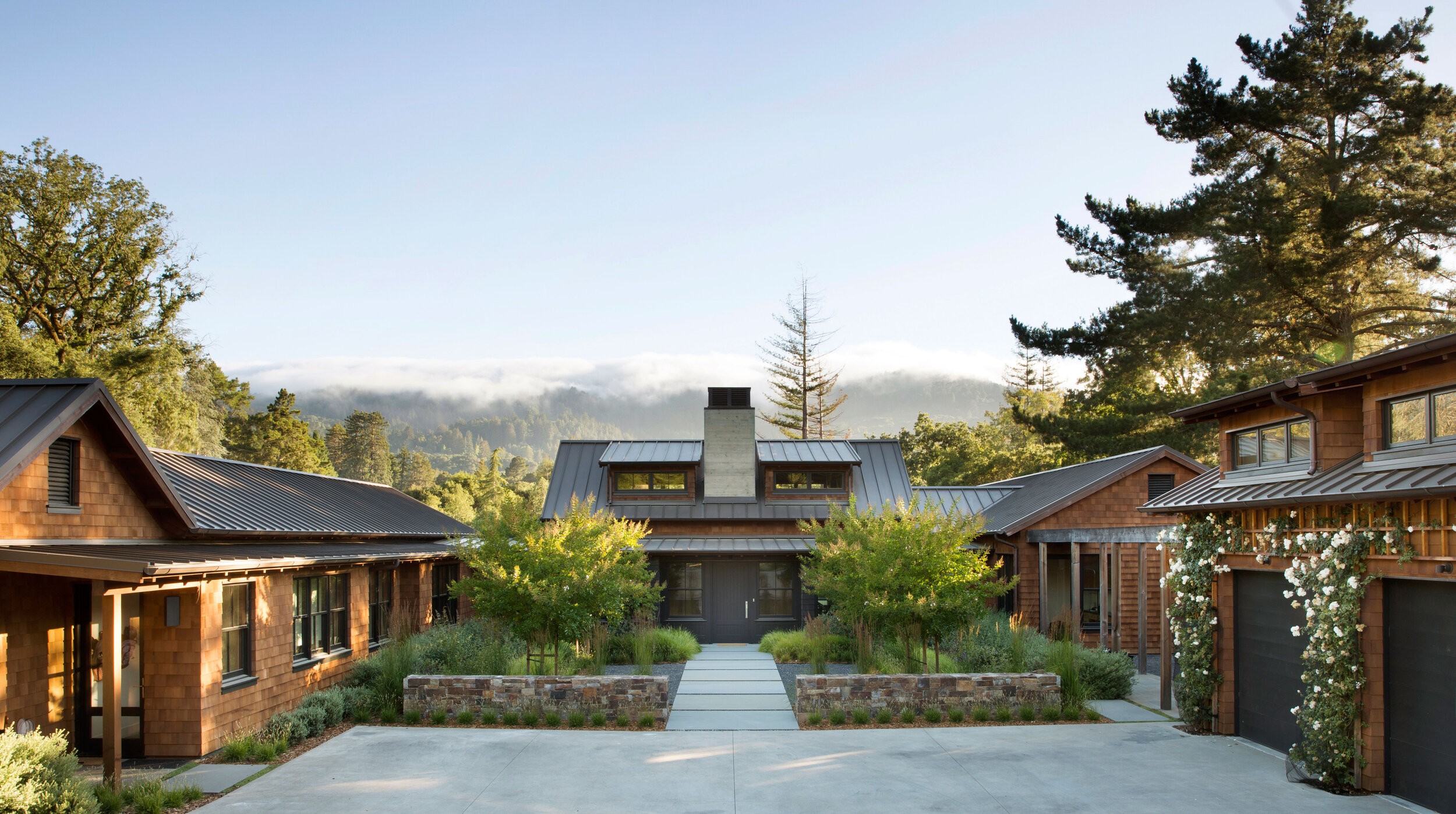
Executive Residences and Private Properties
For some organizations, corporate security isn’t just in the office.
Executives, founders, principals, and high-net-worth individuals may be at risk outside the office. Public exposure, controversial decisions, litigation, media attention, or online exposure can all bring unwanted attention to the personal residence and family life.
For these instances, residential security is about protecting individuals without disrupting their normal lives. Security assessments, controlled access procedures, patrols, secure transportation coordination, and privacy-focused protection strategies are often seamlessly integrated into the daily lifestyle of the individual or family.
The aim is not to alarm you. It protects safety, stability, and peace of mind.
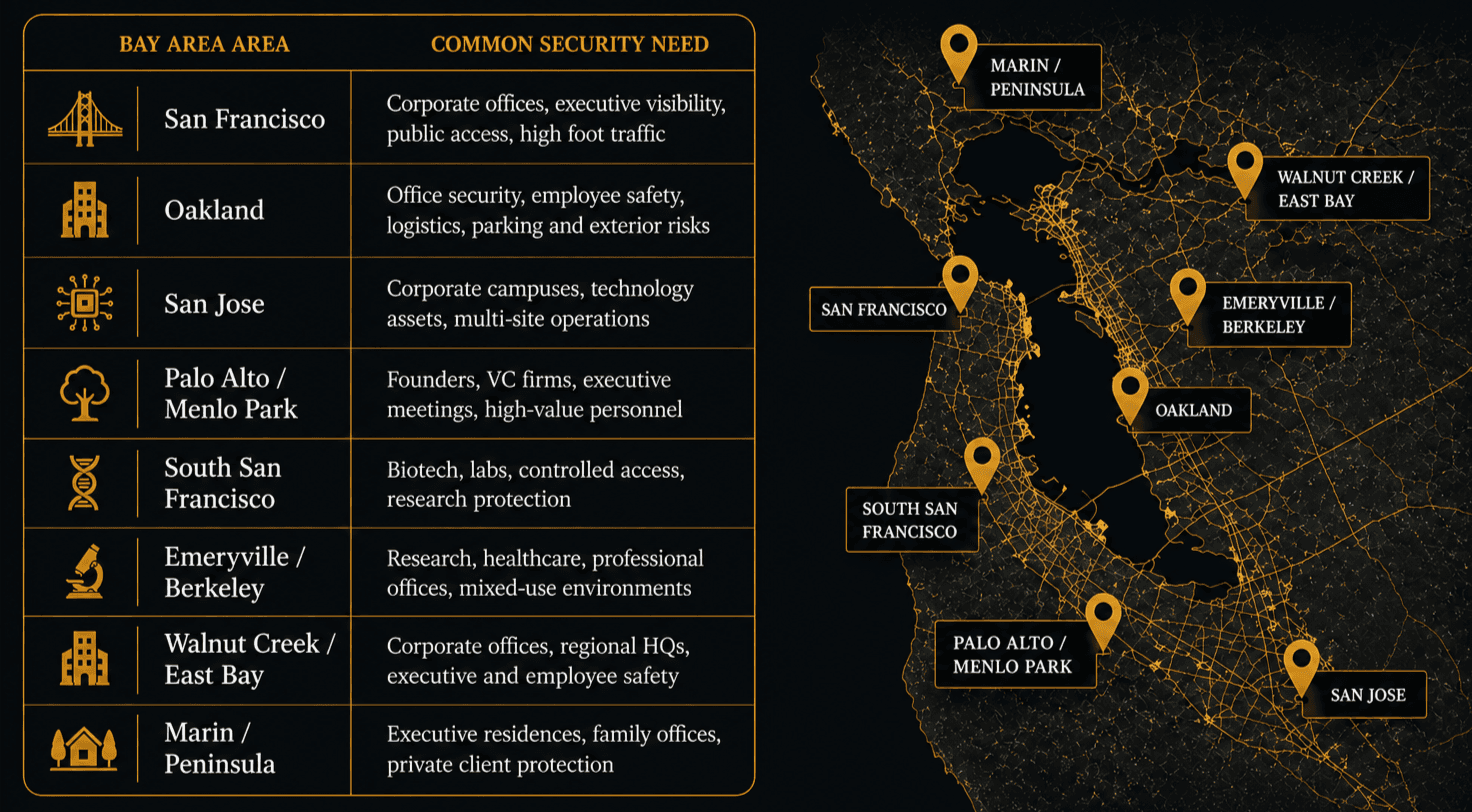
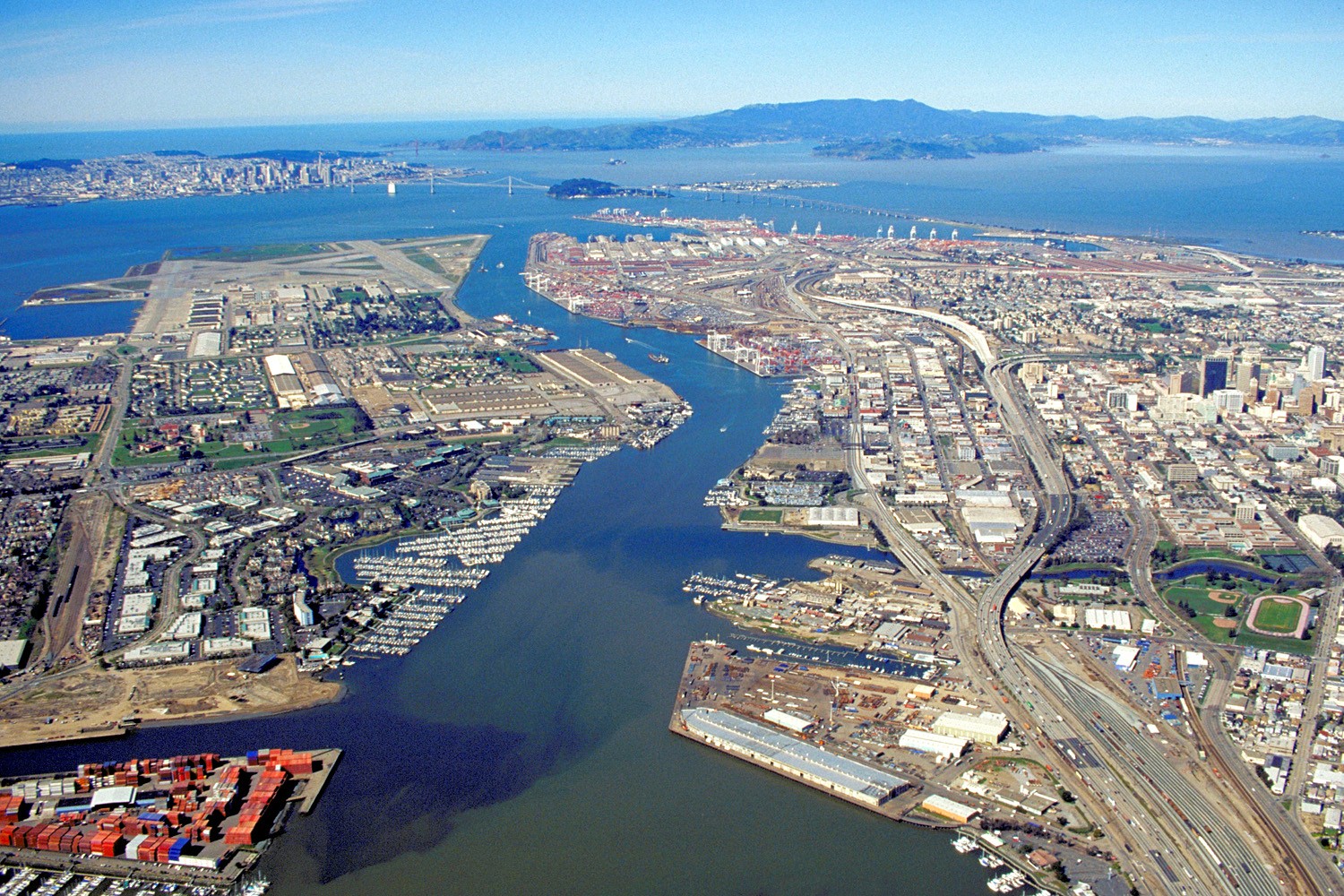
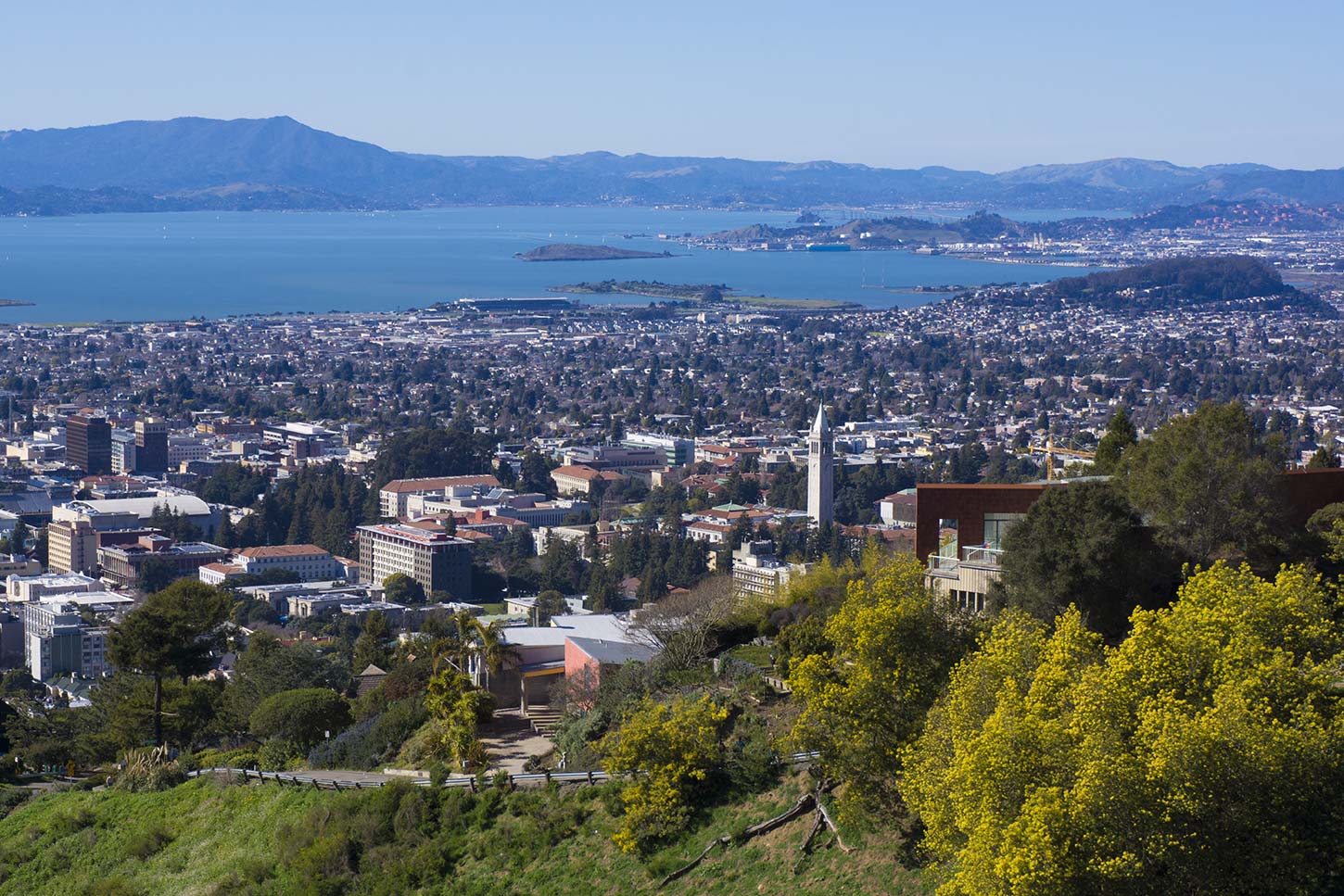
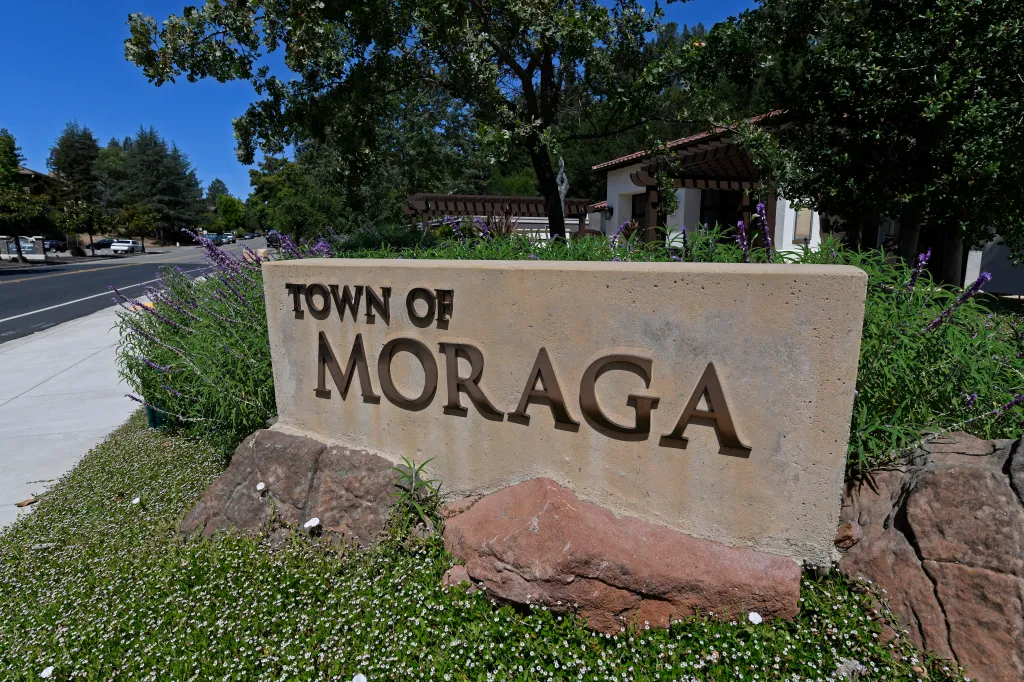
Bay Area Locations Where Security Needs Are Common
Corporate security can be relevant across the region, but the need often appears differently depending on location.
The key is not to label one city as “safe” or “unsafe.” The key is to understand what each environment exposes your business to.
Where Security Creates the Most Value
It makes the most sense to have corporate security when more than just the immediate space could be impacted by one incident.
Benefits:
Employee confidence
Executive security
Business continuity.
Customer trust
Intellectual property rights
Brand image
Compliance or legal requirements
The best security programs start with these high-impact areas first. They find where the business is vulnerable and build defenses around those areas.
Final Takeaway
If your people, assets, operations, or leadership have meaningful exposure, you need corporate security in the Bay Area.
That could be your San Francisco lobby, your South San Francisco lab, your Menlo Park executive office, your San Jose campus, your Oakland parking garage, or your Palo Alto private event.
All businesses have a footprint. Every step carries risk.
Corporate security helps to manage that risk where it matters most.


We have used Veterans Covert Protection Group for our biggest event and nightly security. They are the FANTASTIC!!! The level of professionalism goes above and beyond. They were involved with every step of the process and made us feel like we were in great hands from our first interaction. I would highly recommend you hire them if you or your business has any security needs. They are 10/5 stars!!!!
Erin M
Pleasanton, CA
Reviews
Service Locations







Office
5674 Stonerdige Dr Pleasanton, CA 94588 United States
VCPG Trusted by the
Best in the Industry